
Best Adventure Books for Kids Who Love Big Stories
Adventure books for kids boost imagination and creativity while also strengthening focus, patience, and self-discipline. When children enter brave new worlds that display thrilling adventures with intelligent protagonists and dangerous situations, they start to recognize new opportunities that exist in their personal life. Great stories help them think bigger, act braver, and believe they can overcome challenges.
Parents searching for adventure books for kids often want more than action. They want stories that include emotional moments together with funny parts and teamwork elements and characters who feel authentic. The right book keeps pages turning without feeling overwhelming. The story creates a balance between exciting moments and deep emotional experiences. The effectiveness of adventure stories as character development tools and creative expression instruments and confidence-building resources depends on their execution.

Key Features
- Adventure books for kids build three important qualities: courage and resilience and imagination.
- The best stories combine action with heart and humor. Age-appropriate pacing and themes maintain the interest of children.
- The book Rufus The Doofus demonstrates teamwork through its character development.
- Humorous adventures serve as a reading tool for students who struggle with reading.
- Nature-based adventures teach people about environmental protection.
- Friendship stories help people understand social relationships better.
- Fast-paced plots enable better attention control and help readers understand better.
- Readers feel inspired when they see heroes who share their life experiences.
- The process of selecting an appropriate adventure book requires people to consider their reading abilities and personal interests.
What Makes the Best Adventure Books for Kids?
The best adventure books for kids share several core traits which include courage, teamwork, humor, meaningful stakes and heroes whom children see as themselves. Adventure books strengthen reading engagement, vocabulary, and critical thinking as children follow characters through new challenges. The characters demonstrate their bravery through their ability to face mysterious forests and unexpected villains and their personal fears. The story presents threats which exist in the plot yet they maintain emotional protection through their eventual resolution. Parents should look for stories where conflict drives growth, not fear.
The tone of a text holds equal value to its content. The strongest adventure children’s books blend excitement with warmth. Young readers remain engaged because humor reduces tension. Team-based problem solving teaches cooperation. The story develops at a speed which matches a child’s attention span while the multiple themes present in the story enable people to have conversations. Good adventure books create challenges for readers whereas they maintain their safe reading limits. The story brings delight to children while it empowers them to anticipate the upcoming chapter.
Feature Article: Middle School Adventures: When Your Skateboard Knows Too Much

Best Adventure Books for Kids by Age Group
Studies find that reading enriched picture books enhances vocabulary and creativity by exposing young learners to complex language and narrative patterns. Reading level, vocabulary complexity, emotional depth, and attention span all matter. Below is a breakdown of adventure books for kids across key developmental stages, with one standout title leading the way.
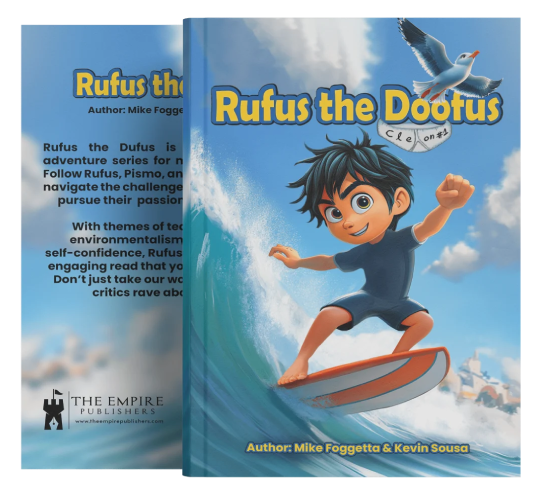
Rufus The Doofus by Mike Foggetta (Ages 6–10)
Rufus The Doofus by Mike Foggetta stands out as a fast-paced, humor-filled adventure perfect for early and middle-grade readers. The language is accessible, chapters are manageable, and the tone balances silliness with heart. Rufus is relatable, imperfect, funny, and determined. The story encourages teamwork, courage, and resilience without heavy themes. For ages six to ten, it holds attention through humor and momentum while subtly reinforcing problem-solving skills and friendship values. It’s a strong entry point into kids adventure books.
Early Readers (Ages 6–8)
For younger readers, adventure should feel exciting but not intimidating. Short chapters, illustrations, and clear stakes are key. Stories at this level focus on simple quests, friendships, and imaginative worlds. Themes often revolve around bravery in everyday situations. Adventure books for kids in this range should nurture confidence and build reading stamina while keeping the tone light and rewarding.
Transitional Readers (Ages 8–10)
At this stage, children can handle more complex plots and layered conflicts. Adventure stories may introduce mysteries, rivalries, and deeper emotional growth. Characters often solve problems collaboratively. Pacing remains brisk, but themes expand to include identity and responsibility. These children’s adventure books help bridge playful storytelling with more sophisticated narratives.
Middle Grade Explorers (Ages 9–12)
Readers in this range crave high stakes and immersive worlds. Plots can span multiple settings, include nuanced villains, and explore personal growth. Friendship and courage remain central. Good adventure books here encourage independence while reinforcing teamwork. Attention spans increase, allowing for richer storytelling and deeper emotional arcs.
Early Teen Adventures (Ages 11–13)
For older middle-grade readers, adventure often blends humor with meaningful conflict. Characters face moral dilemmas and personal growth challenges. Stories can stretch across longer arcs while maintaining accessible language. The best adventure books for kids in this category maintain excitement while respecting emotional maturity.
Adventure Books for Kids That Build Courage and Teamwork
Strong adventure stories show that heroes rarely succeed alone. They model collaboration, resilience, and shared problem-solving. Below are five key elements to look for.
Friends Who Solve Problems Together
Reading with children boosts social development by helping them understand emotions, interactions, cooperation, and empathy through diverse character experiences. Characters contribute different strengths, demonstrating that teamwork multiplies success. Children absorb these lessons organically, seeing how shared effort overcomes obstacles more effectively than solo heroics.
Facing Fears Head-On
The best adventure books for kids include moments where characters confront fear directly. Whether entering a dark cave or standing up to a bully, these scenes show courage as action despite uncertainty. Children learn bravery is a choice, not an absence of fear.
Loyalty and Trust
Stories centered on loyalty reinforce emotional intelligence. When characters rely on one another, readers see how trust strengthens bonds. This builds social awareness and empathy while keeping the plot emotionally engaging.
Growth Through Challenges
Adventure should transform characters. By the end of the story, they are wiser and more confident. This evolution teaches children that growth comes from experience, not perfection.
Celebrating Collective Wins
The most impactful adventure stories end with shared victories. Success belongs to the group, reinforcing humility and cooperation rather than ego.
Feature Article: The Great School Caper: Secrets, Suspensions, and Surfboards
Funny and Lighthearted Kids Adventure Books
Humor helps boost learning engagement by reducing pressure and making reading more enjoyable. It lowers resistance and makes reading feel effortless.
Silly Heroes with Big Hearts
Silly heroes with big hearts are often the characters kids remember most because they feel real, imperfect, and emotionally approachable. These protagonists make mistakes, misunderstand situations, and sometimes fail spectacularly, yet they keep going with determination and kindness. Their clumsiness or goofiness creates humor, but their sincerity builds trust with young readers. Children see that bravery does not require perfection; it comes from trying again. This blend of comedy and compassion makes stories comforting, motivating, and deeply relatable for developing readers.
Fast-Paced, Joke-Filled Chapters
Fast-paced, joke-filled chapters are essential for keeping young readers engaged, especially those who struggle with attention or motivation. Short chapters provide frequent stopping points, creating a sense of progress and accomplishment. Well-timed jokes and playful moments break tension and keep energy high, preventing reading fatigue. This rhythm makes reading feel dynamic rather than demanding. For reluctant readers, humor-driven pacing turns books into entertainment, encouraging them to continue reading independently and build confidence without pressure or frustration.
Playful Villains
Playful villains add excitement without overwhelming young readers with fear or darkness. Instead of being truly terrifying, these antagonists are often exaggerated, silly, or comically misguided. Their presence creates conflict while maintaining emotional safety, allowing children to enjoy suspense without anxiety. Playful villains also reinforce problem-solving and creativity, as heroes outsmart them through cleverness rather than violence. This approach keeps adventure stories fun, age-appropriate, and engaging while still delivering meaningful stakes and satisfying resolutions.
Visual Comedy and Dialogue
Visual comedy and lively dialogue significantly enhance engagement, especially for visual and auditory learners. Exaggerated expressions, humorous situations, and dynamic interactions help readers easily picture scenes in their minds. Snappy dialogue keeps the story moving while revealing character personalities naturally. These elements reduce cognitive load, making comprehension easier and more enjoyable. When children can clearly imagine what’s happening, reading becomes immersive and entertaining, strengthening both understanding and emotional connection to the story.
Humor with Heart
Humor with heart ensures that laughter enhances, rather than replaces, emotional meaning. The best adventure stories use humor to explore friendship, fear, and growth in ways that feel accessible. Beneath the jokes, characters experience real emotions and meaningful change. This balance teaches children empathy while keeping the tone light and enjoyable. When humor supports emotional depth, stories resonate longer, leaving young readers not only amused, but also inspired and emotionally enriched.
Eco-Friendly and Nature-Based Adventure Stories for Kids
Outdoor-centered adventure fosters curiosity and environmental awareness.
Wilderness Survival Themes
Wilderness survival themes immerse young readers in forests, mountains, rivers, and remote landscapes where characters must rely on ingenuity and resilience. These stories highlight practical problem-solving, adaptability, and respect for natural forces. As children follow protagonists building shelters or navigating unfamiliar terrain, they learn resourcefulness in an engaging way. The setting itself becomes a teacher, reinforcing awareness, patience, and responsibility while fostering admiration for the beauty and power of the outdoors.
Protecting the Planet
Stories centered on protecting the planet introduce environmental stewardship through relatable conflicts and achievable actions. Rather than lecturing, these plots show characters making choices that preserve habitats, reduce harm, or defend vulnerable ecosystems. Young readers see how small efforts contribute to meaningful change. By framing sustainability within adventure, these narratives nurture accountability and long-term thinking, helping children understand their role in caring for the environment without overwhelming them with complex issues.
Animal Companions
Animal companions add emotional warmth and deepen empathy in nature-based adventures. Whether loyal pets or wild allies, these characters model trust, communication, and interdependence between humans and animals. Children learn compassion as they witness bonds formed through shared challenges. Animal partnerships also highlight respect for wildlife and natural balance. Through these relationships, readers gain a stronger emotional connection to the environment and an appreciation for the lives within it.
Exploration and Discovery
Exploration-driven stories spark curiosity by guiding characters through uncharted trails, hidden caves, and vast landscapes. Each discovery fuels imagination and reinforces the excitement of learning. Outdoor quests encourage observation, creativity, and thoughtful risk-taking. As children journey alongside adventurous protagonists, they develop a sense of wonder about the natural world. This curiosity often extends beyond the page, inspiring real-world exploration and a deeper appreciation for nature’s diversity.
Learning Through Adventure
Learning through adventure allows ecological lessons to unfold naturally within compelling plots. Instead of presenting facts directly, stories embed environmental awareness into character decisions and outcomes. Children absorb concepts about conservation, biodiversity, and responsibility while staying engaged in the action. This narrative approach makes complex ideas accessible and memorable. By connecting education with excitement, these adventures build understanding in a way that feels authentic and enjoyable rather than instructional.
Why Foggetta Books Are Adventure Books Kids Actually Finish
Many children who begin to read books face difficulties when they attempt to finish those books. Sustained engagement needs both fast pacing and humor and relatable content. The book Rufus The Doofus achieves success because it shows understanding of kids’ current needs. The story progresses at a fast pace while the humor flows naturally and the characters show realistic behavior. The development of characters occurs through actual experiences without any need for a moral lesson. Parents observe that their children repeat reading stories which their children find enjoyable.
The process of repeating material helps students develop reading skills and build their self-assurance. Foggetta’s method for children’s adventure books delivers emotional content while preserving their ability to focus which makes it unique. The experience provides enjoyment instead of serving educational purposes. The children experience laughter while they develop social bonds and continue reading the book. The combination of teamwork, courage, humor, and momentum results in this book remaining completed instead of becoming an unread book on a shelf.
Final Thoughts
Choosing the right adventure books for kids means balancing excitement with emotional substance. The best stories which provide entertainment for readers yet help them develop resilience and empathy and imagination skills. Strong adventure stories showcase three different themes through their humorous elements and nature themes and teamwork components which create a lasting effect on viewers. Children develop self-assurance through their connection with heroes who face real obstacles which they can relate to.
Adventure books for kids remain one of the most powerful gateways into lifelong reading habits. Parents enable their children to become capable explorers of their life stories through their selection of stories which feature courage and collaboration and emotional depth.
FAQs
What are the best adventure books for kids?
The best adventure books for kids combine courage, humor, teamwork, and relatable heroes. Titles like Rufus The Doofus offer fast pacing and meaningful growth. Look for stories with age-appropriate language, clear stakes, and emotional warmth to keep children engaged and inspired.
What age is appropriate for children’s adventure books?
Adventure books are suitable starting around age six, depending on reading level. Younger readers benefit from illustrated, shorter chapters. Ages nine to twelve can handle more complex plots and emotional depth. Matching vocabulary and theme complexity to developmental stage ensures engagement and comprehension.
Are adventure stories good for reluctant readers?
Yes. Adventure stories are highly effective for reluctant readers because they emphasize action, humor, and suspense. Fast pacing and engaging plots reduce boredom and increase motivation. When stories feel exciting rather than academic, children are more likely to finish and enjoy reading.
What adventure books help kids learn teamwork?
Books that feature group problem-solving and shared victories reinforce teamwork. Stories where characters rely on each other’s strengths teach cooperation naturally. Titles that emphasize friendship, loyalty, and collaboration help children understand the value of working together toward common goals.
What are good adventure books for 9–12 year olds?
For ages nine to twelve, look for layered plots, immersive worlds, and character development. Good adventure books in this range include stories with meaningful challenges and group dynamics. They should balance action with emotional growth to maintain engagement and relatability.
What are the top 10 books for children?
Top children’s books vary by age and interest, but strong lists include humor-driven adventures, classic fantasy, and meaningful contemporary stories. Look for books that combine imagination, resilience, and relatable characters. Award-winning and widely recommended titles often provide reliable starting points for parents.
Latest Blogs