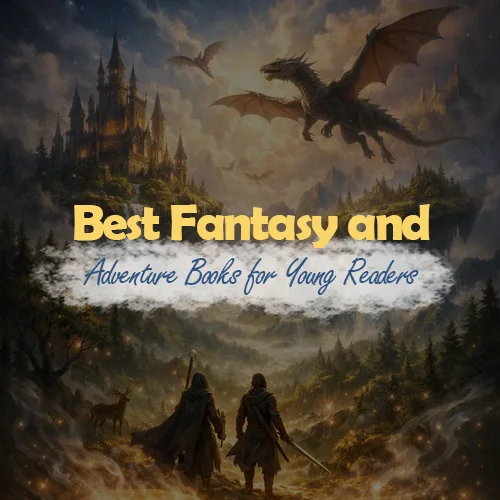
Best Fantasy and Adventure Books for Young Readers
Stories have the power to shape how children see the world, and few genres do this better than fantasy and adventure books. From magical kingdoms to daring quests, these stories ignite imagination while teaching courage, resilience, and empathy. When young readers step into enchanted forests or set sail on dangerous journeys, they are not escaping reality, they are learning how to navigate it with confidence.
The best fantasy and adventure books offer more than entertainment; they strengthen vocabulary, deepen emotional growth, and encourage creative problem-solving. Through brave heroes and unexpected challenges, children explore complex ideas in safe, imaginative spaces. Whether it is a magical quest or a humorous misadventure, fantasy and adventure books help young minds grow stronger, bolder, and more curious about the world around them.
Key Features
- Fantasy and adventure books inspire creativity and bold thinking.
- These stories strengthen empathy and emotional awareness.
- Magical worlds encourage imaginative problem-solving.
- Young readers gain resilience through heroic journeys.
- Adventure-driven plots improve focus and reading stamina.
- High-stakes quests build confidence and courage.
- Diverse characters promote inclusivity and teamwork.
- Parents can use fantasy stories to spark discussions.
- Fantasy adventure novels support vocabulary growth.
- The right book can transform reluctant readers into lifelong learners.
What Makes Fantasy and Adventure Books So Powerful
Fantasy and adventure stories hold a unique place in children’s literature because they blend imagination with meaningful life lessons. When readers encounter dragons, hidden portals, or mysterious maps, they enter worlds that stretch beyond everyday experiences. Yet within those extraordinary settings, they find relatable emotions, fear, friendship, hope, and determination. These narratives give children permission to dream boldly while teaching them how to overcome challenges.
Fantasy and adventure books also support cognitive and emotional development; they help readers build critical skills by visualizing settings, tracking layered plots, and understanding character motivations. Through quests and obstacles, children learn perseverance and empathy. Watching a character confront danger builds emotional resilience, while witnessing teamwork teaches collaboration. These stories create a safe space to explore bravery and identity, empowering middle-grade readers to grow more confident in their own real-life adventures.
Feature Article: Best Books About Adventure for Every Explorer
Types of Fantasy and Adventure Books Readers Love
Young readers are drawn to a wide range of imaginative stories. From epic magical sagas to contemporary adventures grounded in real-world settings, the genre offers diverse storytelling styles. Understanding these categories helps parents and educators guide children toward books that match their interests and maturity levels.
High Fantasy Worlds
High fantasy adventure books transport readers into entirely invented worlds with detailed histories, magical systems, and epic conflicts. These stories often feature brave heroes, mythical creatures, and large-scale quests to restore balance or defeat darkness. The immersive world-building challenges young readers to think critically and visualize complex environments. Through layered plots and moral dilemmas, high fantasy nurtures courage and ethical reasoning.
Modern Fantasy Adventures
Modern fantasy blends magic with contemporary settings. A hidden magical society in a small town or a mysterious artifact discovered at school makes the extraordinary feel accessible. These stories connect directly with children’s everyday experiences while adding wonder. The familiarity of real-world elements combined with magical twists helps readers imagine that adventure could exist just beyond their doorstep.
Eco-Themed Adventures
Environmental fantasy adventures focus on protecting nature, endangered creatures, or magical ecosystems. These books encourage environmental awareness and responsibility. Young readers learn that bravery can mean standing up for the planet. Eco-themed stories combine action with purpose, inspiring stewardship and empathy for the natural world.
Mythology-Inspired Tales
Some stories draw from global myths and legends. Gods, ancient prophecies, and heroic journeys connect readers to cultural storytelling traditions. These books build cultural literacy while delivering thrilling adventures filled with danger and discovery.
Humorous Fantasy Adventures
Not all epic journeys are serious. Lighthearted fantasy stories use humor to make challenges approachable. Funny characters and playful plots reduce intimidation while still teaching problem-solving and resilience.
Best Fantasy and Adventure Books for Middle-Grade Readers
Choosing the best fantasy adventure books for middle-grade readers requires balancing excitement with emotional depth. Below is a curated list organized by themes that resonate strongly with young audiences.
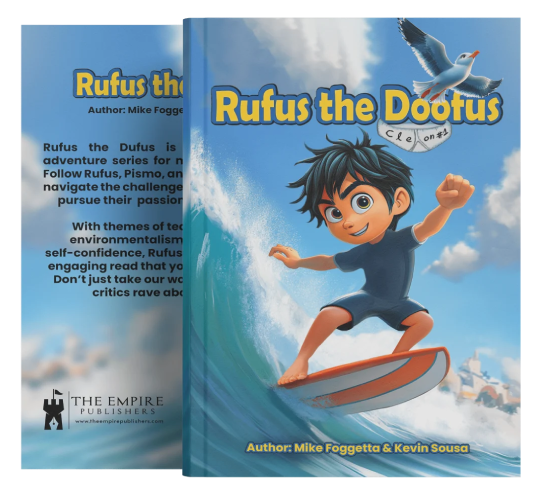
Rufus The Doofus by Mike Foggetta and Kevin Sousa
This humorous adventure, Rufus The Doofus, leads readers through laugh-out-loud scenarios filled with unexpected twists. Rufus’ quirky personality makes him relatable, while his challenges teach perseverance and creative thinking. The story blends comedy with meaningful lessons about confidence and individuality. It is an excellent entry point for children who enjoy humor alongside imaginative storytelling.
The Hobbit by J.R.R. Tolkien
A timeless tale of bravery and discovery, The Hobbit follows Bilbo Baggins on an unforgettable quest. Rich world-building and memorable characters introduce young readers to epic fantasy themes. Friendship, courage, and personal growth are central to the narrative.
Percy Jackson & The Olympians by Rick Riordan
This fast-paced series, Percy Jackson & The Olympians, merges mythology with modern adventure. Percy’s journey emphasizes teamwork, loyalty, and self-discovery. The blend of humor and action keeps readers engaged while introducing classical myths.
The Magic Tree House Series by Mary Pope Osborne
The Magic Tree House Series offers time-travel adventures that allow children to explore history and imagination simultaneously. Each book delivers bite-sized excitement with educational value, making it perfect for developing readers.
The Wild Robot by Peter Brown
An eco-adventure about survival and belonging, The Wild Robot combines heart and suspense. It encourages empathy toward both nature and community.
How to Choose the Right Fantasy Adventure Novel
Selecting the right book ensures that young readers remain engaged and challenged appropriately. Parents and educators should consider several key factors before recommending a title.
Reading Level and Vocabulary
Selecting books that align with a child’s reading level ensures comprehension and engagement. Vocabulary should challenge without overwhelming, gradually expanding language skills. Properly matched texts build confidence, encourage independent reading, and foster a lifelong love for literature. Overly simplistic or excessively complex material can lead to frustration or disinterest, making careful assessment essential.
Theme and Emotional Depth
Books should explore themes appropriate for the reader’s age and emotional maturity. Some fantasy adventures tackle darker or complex conflicts, requiring guidance. Stories with meaningful challenges encourage empathy, reflection, and emotional intelligence. Choosing narratives with age-suitable depth ensures readers engage with the material thoughtfully while safely navigating moral dilemmas and imaginative scenarios.
Character Development
Strong character arcs allow children to form emotional connections and learn important life lessons. Characters who demonstrate growth, resilience, and ethical decision-making provide role models for young readers. By observing challenges, successes, and interpersonal dynamics, children can internalize positive values, practice empathy, and relate experiences to their own personal development in engaging and meaningful ways.
Pacing and Structure
Books with well-considered pacing maintain interest and sustain attention. Fast-moving plots keep younger readers engaged, while complex, layered narratives challenge advanced readers. Clear structure aids comprehension, allowing children to follow storylines and understand cause-and-effect relationships. Selecting books that match the reader’s ability to process narrative complexity supports cognitive growth and reading enjoyment.
Reader Interests
Children are most motivated to finish books that align with their personal passions and curiosities. Whether it’s dragons, ocean explorations, magical schools, or adventurous quests, connecting content to interests encourages consistent reading habits. Books tailored to a child’s preferences enhance engagement, creativity, and long-term literary enthusiasm, making reading both enjoyable and educational.
Feature Article: Best Adventure Books for Kids Who Love Big Stories
Why High Fantasy Adventure Books Build Confidence in Kids
Epic quests challenge characters to confront danger, uncertainty, and fear. These narratives mirror the emotional hurdles children face in daily life. Through high fantasy adventure books, readers witness characters overcoming impossible odds, reinforcing the belief that they too can navigate challenges.
Courage in the Face of Fear
Fantasy and adventure protagonists often confront daunting challenges, modeling bravery in uncertain or dangerous situations. Observing these acts helps young readers internalize courage, showing that fear can be managed and overcome. This emotional modeling strengthens self-confidence, encourages risk-taking in safe ways, and teaches children that facing difficulties is an essential part of personal growth.
Problem-Solving Under Pressure
Magical and adventurous conflicts frequently require characters to think creatively and act decisively under pressure. Readers witness the importance of persistence, adaptability, and critical thinking when obstacles arise. By following these narrative examples, children learn that solutions often involve trial, error, and innovative thinking, fostering cognitive flexibility and resilience that translates into real-world problem-solving skills.
Teamwork and Loyalty
Epic adventures emphasize collaboration, showing how friends and allies combine strengths to overcome challenges. Young readers observe the importance of loyalty, cooperation, and mutual support in achieving goals. These narratives teach that success is rarely achieved alone, encouraging children to value teamwork, build social skills, and understand the significance of trust and community in shared endeavors.
Moral Decision-Making
Characters in high-stakes adventures face complex choices with ethical implications. Readers learn to evaluate right and wrong through these dilemmas, understanding the consequences of actions. By observing thoughtful decision-making and moral reasoning, children develop a foundation for ethical thinking, responsibility, and empathy, which strengthens character formation and guides them in real-life choices and social interactions.
Resilience Through Failure
Setbacks and failures are central to fantasy and adventure narratives. Characters often encounter loss, defeat, or mistakes, yet they recover and continue their journeys. Young readers witness perseverance, learning that mistakes are opportunities for growth. This modeling fosters emotional resilience, patience, and determination, teaching children to embrace challenges as natural steps in personal development and problem-solving.
Feature Article: The Great School Caper: Secrets, Suspensions, and Surfboards
Fantasy and Adventure Books vs Other Genres
While every genre offers value, fantasy and adventure books uniquely combine imagination with moral growth. Below is a comparison highlighting key benefits.
| Genre | Core Strength | Reader Benefit |
| Fantasy & Adventure | Imaginative worlds | Creativity and courage |
| Mystery | Puzzle-solving | Analytical thinking |
| Realistic Fiction | Everyday experiences | Emotional relatability |
| Science Fiction | Futuristic speculation | Logical reasoning |
Imagination Expansion
Fantasy worlds push readers beyond everyday experiences helping them develop memory skills and creative thinking in ways unique to fiction These imaginative realms stretch creativity, encouraging young readers to think beyond conventional limits and explore possibilities, fostering innovative thinking and sparking a lifelong love of imaginative exploration that influences storytelling and creative expression across different media.
Emotional Exploration
Adventure stories provide a safe environment for children to experience fear, hope, courage, and triumph. By navigating challenges alongside characters, readers learn emotional resilience, empathy, and self-confidence. These narratives allow them to process complex feelings indirectly, preparing them to face real-life situations with understanding and emotional intelligence while enjoying thrilling and engaging plots.
Moral Framework
Epic conflicts in fantasy adventure books clarify concepts of right and wrong. Characters’ choices, consequences, and journeys model ethical decision-making, highlighting virtues such as honesty, bravery, and loyalty. Through immersive storytelling, readers internalize moral lessons naturally, developing an understanding of justice, integrity, and compassion while remaining engaged in exciting and fantastical narratives.
Engagement Factor
High-energy fantasy adventure plots maintain attention, encouraging active reading and sustained interest. Fast-paced action, unexpected twists, and richly developed characters captivate young readers, creating immersive experiences. The combination of suspense, challenge, and wonder keeps audiences invested, developing focus and concentration skills while making reading a consistently enjoyable and motivating activity for children.
Long-Term Impact
The best fantasy adventure books leave lasting impressions, shaping readers’ identity and values over time. Themes of courage, perseverance, friendship, and creativity resonate beyond childhood, influencing perspectives, inspiring personal growth, and fostering lifelong appreciation for storytelling. These works often become treasured favorites, providing lessons, comfort, and imaginative escape across a reader’s lifetime.
Feature Article: Middle School Adventures: When Your Skateboard Knows Too Much
Final Thoughts
The best fantasy and adventure books provide more than magical escapism. They cultivate resilience, empathy, and imagination while delivering unforgettable journeys. Whether exploring enchanted forests or battling mythical creatures, young readers grow emotionally and intellectually with every page. By choosing thoughtfully written fantasy and adventure books, parents and educators empower children to dream boldly, think critically, and approach life’s challenges with courage. In a world that constantly evolves, stories that inspire bravery and creativity remain timeless treasures for every generation.
FAQs
What are the top 10 fantasy books?
Popular titles often include The Hobbit, Harry Potter, Percy Jackson, and other beloved series known for immersive worlds.
What are the most popular adventure books?
Books featuring epic quests, survival journeys, and daring missions consistently rank among favorites.
Are adventure and fantasy the same?
No. Adventure focuses on action and exploration, while fantasy introduces magical or imaginary elements. Many books blend both.
What is the most popular fantasy book right now?
Popularity changes frequently, but long-running series and new bestselling fantasy releases often dominate charts.
What are 5 books everyone should read?
Classics like The Hobbit, Charlotte’s Web, Treasure Island, and modern favorites often make universal recommendation lists.
What is the #1 most sold book?
Globally, religious texts lead sales historically, while popular fiction titles dominate modern bestseller lists.
Latest Blogs