
Best Mystery Book for Kids That Sparks Adventure
Every child loves a good puzzle. A well-written mystery book for kids does more than entertain, it invites young readers to think, question, and explore. When suspense meets adventure, children become active participants in the story, connecting clues and predicting outcomes. The right mystery builds confidence while keeping the reading experience fun and dynamic.
Unlike passive storytelling, a strong mystery book for kids encourages engagement from page one. Hidden clues, clever twists, and brave young heroes spark imagination while sharpening reasoning skills and keeping children invested in the story, which explains Why Mystery Books Help Kids Read. When mystery blends with adventure, readers don’t just follow the plot, they step into it. That immersive experience makes stories unforgettable and transforms curious readers into lifelong learners.
Key Features
- A strong mystery book for kids builds curiosity and logical thinking.
- Suspense keeps young readers engaged and motivated to finish.
- Age-appropriate clues ensure challenge without frustration.
- Adventure elements increase excitement and emotional investment.
- Teamwork themes teach collaboration and trust.
- Courage-driven plots strengthen resilience.
- Structured pacing supports comprehension growth.
- Series books sustain long-term reading habits.
- Clean, age-appropriate content supports positive values.
- The best mystery books for kids balance entertainment with skill development.
What Makes a Great Mystery Book for Kids
A compelling mystery begins with suspense. Young readers should feel intrigued but not overwhelmed. Clues must be carefully placed throughout the story, giving children enough information to think critically without revealing the solution too soon. The balance between difficulty and clarity is essential. When clues are age-appropriate, readers feel challenged yet capable, which builds confidence and sustained engagement.
Teamwork and courage are equally important. Many successful children’s mysteries feature friends working together to solve a problem. This dynamic models collaboration and empathy while reinforcing social skills. Engaging pacing ensures the story never drags; chapters often end with small cliffhangers that keep curiosity alive. A great mystery book for kids delivers excitement while teaching subtle lessons about perseverance, honesty, and responsibility.
Feature Article: Best Books About Adventure for Every Explorer

Why a Mystery Book for Kids Builds Critical Thinking
Mystery stories naturally encourage cognitive development. As children follow the narrative, they evaluate evidence, analyze character behavior, and predict outcomes, which helps Improve Reading Skills With Mystery Books. This constant mental engagement strengthens reasoning skills and sharpens attention to detail. Unlike straightforward storytelling, mysteries require readers to participate actively, transforming reading into an intellectual game.
Emotionally, mystery stories foster resilience and curiosity. When young characters encounter obstacles, readers learn to approach problems calmly and strategically. They discover that answers often require patience and teamwork. Exposure to suspense also builds emotional regulation; children learn to manage anticipation and uncertainty. Over time, regularly reading a mystery book for kids can enhance analytical thinking, focus, and confidence in decision-making.
Feature Article: Best Adventure Books for Kids Who Love Big Stories
Best Mystery Books for Kids by Age Group
Selecting age-appropriate mysteries ensures children stay engaged without feeling overwhelmed. Rather than random recommendations, the following categories highlight what works best for different developmental stages.
Ages 6–8: Gentle Mysteries with Clear Clues
At this stage, stories should feature simple puzzles and clear resolutions. Short chapters, illustrations, and repetitive structures support emerging readers. Themes often revolve around missing objects or small neighborhood adventures. The mystery should feel solvable, reinforcing early confidence and reading independence.
Ages 8–10: Team-Based Adventures
Readers in this range enjoy stronger suspense and group problem-solving. Stories may include secret codes, hidden rooms, or school-based mysteries. Pacing becomes faster, and plots grow slightly more complex. Teamwork themes resonate deeply, encouraging social growth alongside intellectual development.
Ages 10–12: Layered Plots and Twists
Preteens are ready for multi-layered mysteries with red herrings and deeper character arcs. These books may explore ethical dilemmas and moral decisions. Suspense intensifies, but themes remain age-appropriate. This stage supports advanced comprehension and critical analysis skills.
Series vs Standalone Choices
Younger readers often prefer series because familiarity builds comfort. Recurring characters strengthen attachment and long-term engagement. Standalone books, however, provide complete resolution within one volume, ideal for readers who enjoy closure without commitment.
Criteria for Selection
When identifying the best mystery books for kids, consider vocabulary level, emotional maturity, pacing, and thematic relevance. A thoughtful match increases enjoyment and reading stamina.
Feature Article: The Great School Caper: Secrets, Suspensions, and Surfboards
Adventure Mystery Kids Book vs Classic Detective Stories
Modern children’s mysteries often blend action with investigation. The table below compares an adventure mystery kids book with traditional detective stories.
| Feature | Adventure Mystery Kids Book | Classic Detective Story |
| Pacing | Fast, action-driven | Methodical and analytical |
| Themes | Friendship, teamwork | Individual brilliance |
| Moral Lessons | Courage, honesty | Justice, logic |
| Eco-Awareness | Often included | Rarely emphasized |
| Modern Relevance | Relatable settings | Sometimes dated |
Faster Engagement
Adventure-based mysteries immediately capture young readers’ attention through fast-paced action, intriguing clues, and relatable protagonists. Dynamic scenarios encourage curiosity and maintain momentum, ensuring children remain invested in the story. By combining suspense with age-appropriate challenges, these narratives stimulate imagination while making the reading experience both exciting and intellectually engaging from the very first page.
Emphasis on Collaboration
Modern mystery books for kids highlight teamwork and cooperative problem-solving. Unlike traditional solitary detectives, young characters often work together, pooling skills and perspectives to solve puzzles. This approach models communication, compromise, and shared responsibility, teaching readers that collaboration is essential for overcoming challenges while fostering social skills, empathy, and a sense of community.
Broader Themes
Contemporary adventure mysteries integrate meaningful themes beyond plot, such as environmental stewardship, social responsibility, and ethical choices. By weaving real-world issues into engaging narratives, these books encourage critical thinking, awareness, and reflection. Young readers absorb lessons on how actions affect others and their surroundings, promoting both moral development and active engagement with contemporary societal topics.
Emotional Accessibility
Child protagonists make stories relatable, enabling readers to connect with challenges, fears, and triumphs. Emotional stakes are presented in ways that are understandable, helping children empathize with characters’ experiences. By feeling the tension, excitement, and relief alongside characters, readers develop emotional intelligence and resilience, learning to navigate their own feelings and decisions through narrative experiences.
Contemporary Settings
Setting adventure mysteries in schools, neighborhoods, and modern technology environments makes the stories feel immediate and relevant. Familiar surroundings help readers visualize events and connect with characters’ daily lives. Contemporary backdrops enhance relatability while supporting engagement, allowing young audiences to apply problem-solving strategies and moral lessons to real-world contexts, bridging fiction and everyday experiences.
How to Choose the Right Mystery Book for Kids
Selecting the right book requires more than scanning a bestseller list. Parents should assess their child’s reading ability, interests, and attention span before making a decision. A thoughtful approach ensures a positive experience.
Evaluate Reading Level
Choose books slightly above comfort level to encourage growth without frustration.
Consider Attention Span
Fast-paced stories work well for children who lose focus easily.
Match Theme Preferences
Some children love school-based mysteries, others prefer outdoor adventures. Personal interest drives engagement.
Decide Between Standalone or Series
Series build long-term habits, while standalone books provide quick satisfaction.
Review Content Carefully
Ensure themes, tone, and complexity align with the child’s maturity.
Feature Article: Middle School Adventures: When Your Skateboard Knows Too Much
A Mystery Book for Kids That Blends Courage and Adventure
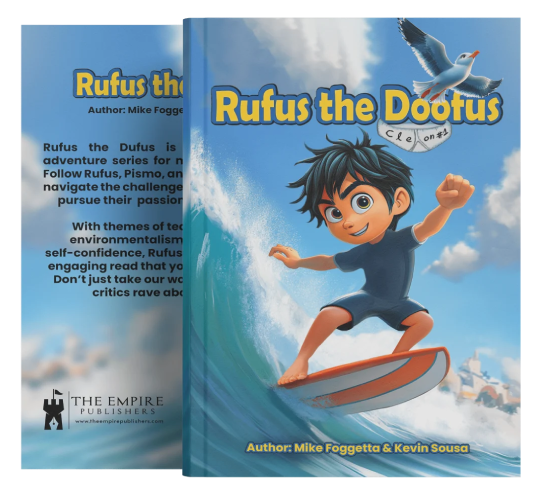
One standout example of a story that balances humor, suspense, and bold storytelling is Rufus The Doofus by Mike Foggetta and Kevin Sousa. This engaging tale delivers mystery wrapped in lighthearted adventure, making it accessible for a wide age range. Young readers connect with Rufus’ determination as he navigates unexpected challenges and uncovers surprising truths.
What sets this story apart is its seamless integration of courage and teamwork. Rather than relying solely on puzzles, the narrative emphasizes character growth and problem-solving through collaboration. As an adventure mystery kids book, it keeps the pace lively while reinforcing positive values. Foggetta Books consistently delivers stories that entertain while subtly strengthening resilience and confidence in young readers.
Final Thoughts
A well-crafted mystery book for kids does more than entertain, it strengthens analytical thinking, emotional growth, and curiosity. By combining suspense with relatable characters and meaningful themes, these stories transform reading into an interactive experience. Whether children prefer gentle neighborhood puzzles or high-energy adventures, the right mystery nurtures imagination and builds lifelong literacy skills.
Parents and educators who thoughtfully select engaging mysteries empower children to think critically and act courageously. In a world that rewards creativity and problem-solving, encouraging young readers to explore every mystery book for kids they can find may be one of the smartest investments in their future growth.
FAQs
What is the best mystery book for kids?
The best choice depends on age and interest, but books combining teamwork, suspense, and clean humor often stand out.
What are the top five mystery books?
Popular picks typically include school-based mysteries, classic detective series, and modern adventure-driven stories.
What are some good clean mystery books?
Look for titles emphasizing friendship, problem-solving, and age-appropriate suspense without dark themes.
What mystery books are good for beginners?
Early readers benefit from illustrated mysteries with simple plots and clear clues.
What are 10 must-read books of all time?
Classic literature, influential children’s novels, and globally recognized works often make this list.
What are the most popular mystery books right now?
Trends shift frequently, but contemporary adventure-focused series often top bestseller charts.
Are mystery books good for children?
Yes. They enhance reasoning skills, encourage curiosity, and build emotional resilience through engaging storytelling.
Latest Blogs